01
Formal education and second-chance pathways
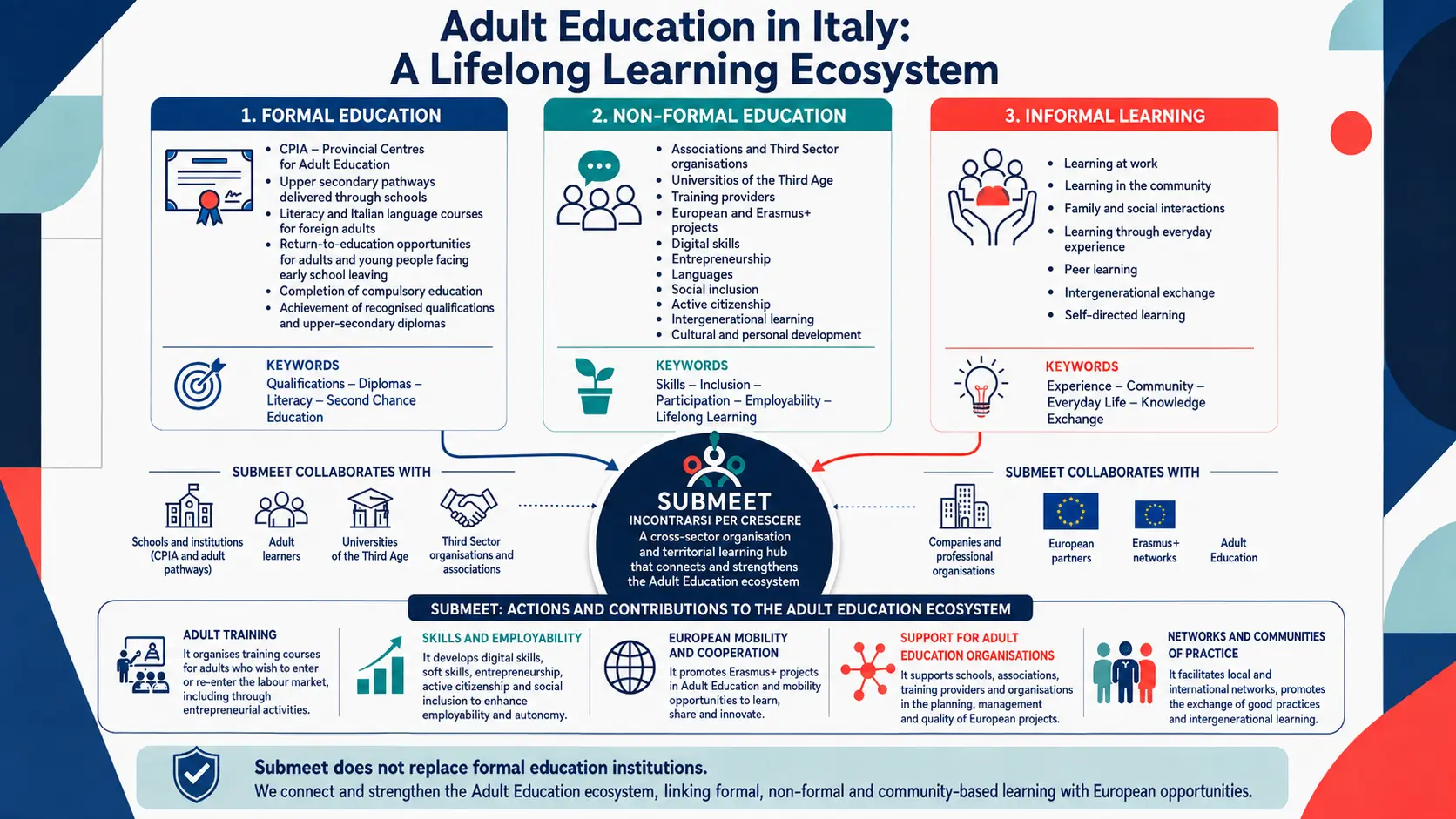
We work with schools delivering upper-secondary pathways for adults, workers and early school leavers, including routes leading to a recognised diploma.
Drawing on its extensive experience, SUBMEET designs and delivers educational experiences for adult learners and staff, combining formal, non-formal, professional and community-based settings according to the expected outcomes.
We consider experience, motivation, skills and barriers to participation.
For adult learners and staff, we begin with the outcome to be achieved, not with a predetermined programme.
Submeet enables European organisations to observe and compare organisations working directly in adult education, lifelong learning and the community.
Schools and CPIAs, Universities of the Third Age, Third Sector organisations, businesses, professionals and European networks can contribute to the same pathway in different ways.
Rather than offering a purely theoretical overview, we arrange meetings, observation, workshops and activities with organisations working directly in the field.
We work with schools delivering upper-secondary pathways for adults, workers and early school leavers, including routes leading to a recognised diploma.
Our work with the University of the Third Age presents lifelong learning models based on culture, participation, skills, social connection and active ageing.
Practical pathways develop skills, autonomy and the ability to turn an idea into a viable professional or entrepreneurial proposition.
Associations, businesses, services, professionals and cultural bodies join the pathway when they can make a relevant educational contribution.
When aligned with the objectives, Submeet can host the pathway and deliver training activities, workshops, mentoring and project-based experiences.
When different expertise or environments are required, we involve the most relevant external organisations. The local area becomes an educational resource, not a tourist backdrop.
Areas are selected and combined according to participants’ profiles and the expected change.
Independent use of digital tools, access to services, safety, communication and digital participation.
Skills development, guidance, return to employment and the ability to adapt.
From reviewing existing skills to developing an idea, an activity model and its communication.
Participation, wellbeing, sharing expertise and collaboration across generations.
Pathways that address social, cultural, economic, digital or educational barriers.
We begin with the intended change, considering experience, skills, motivation, support needs and conditions for participation.
We define outcomes, activities, methods, timescales and support arrangements.
We select formal, non-formal, professional or community-based settings aligned with the objectives.
We support the experience through reflection and recognition of learning, connecting it with each participant’s personal, professional or organisational context.
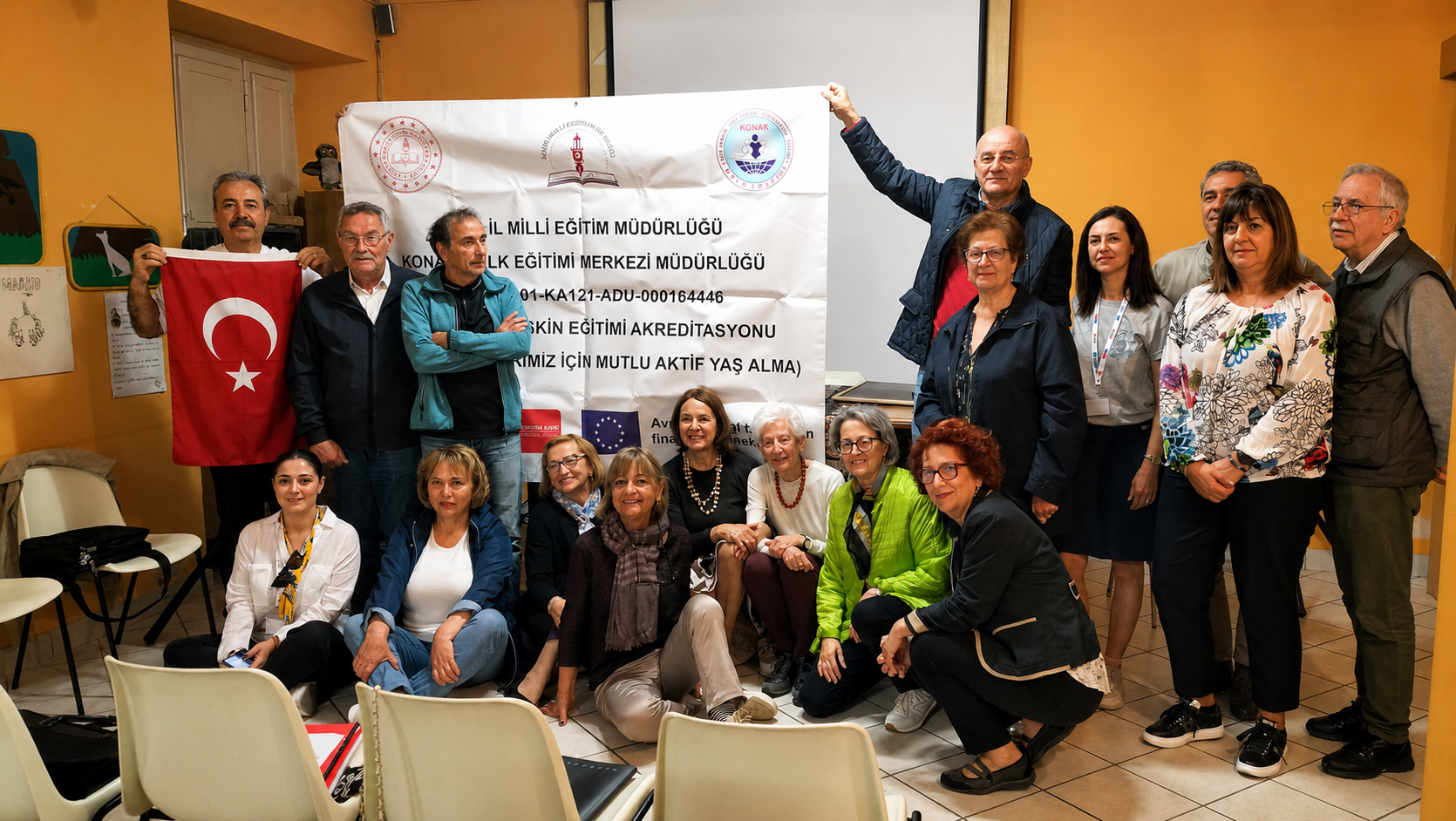
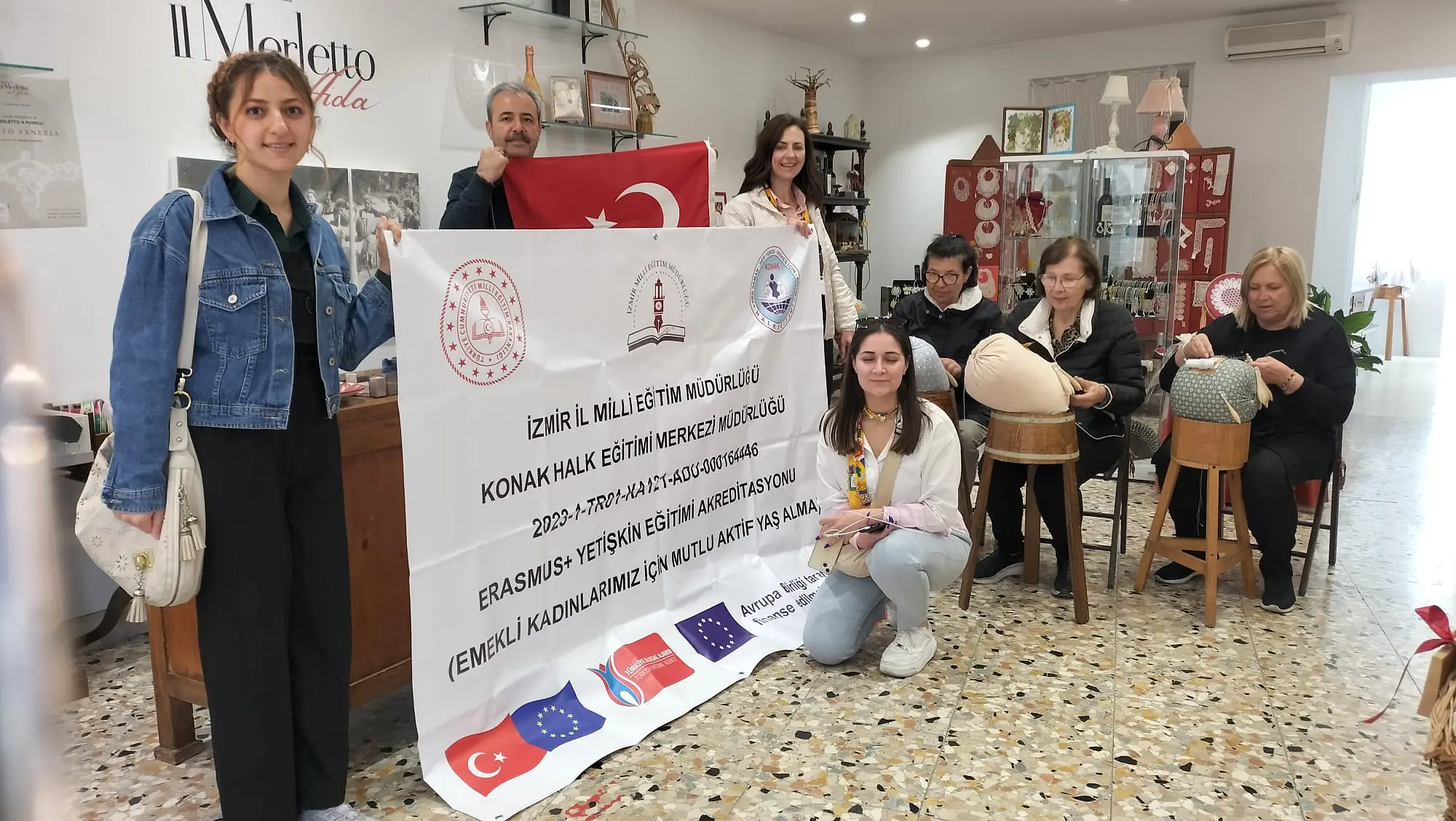
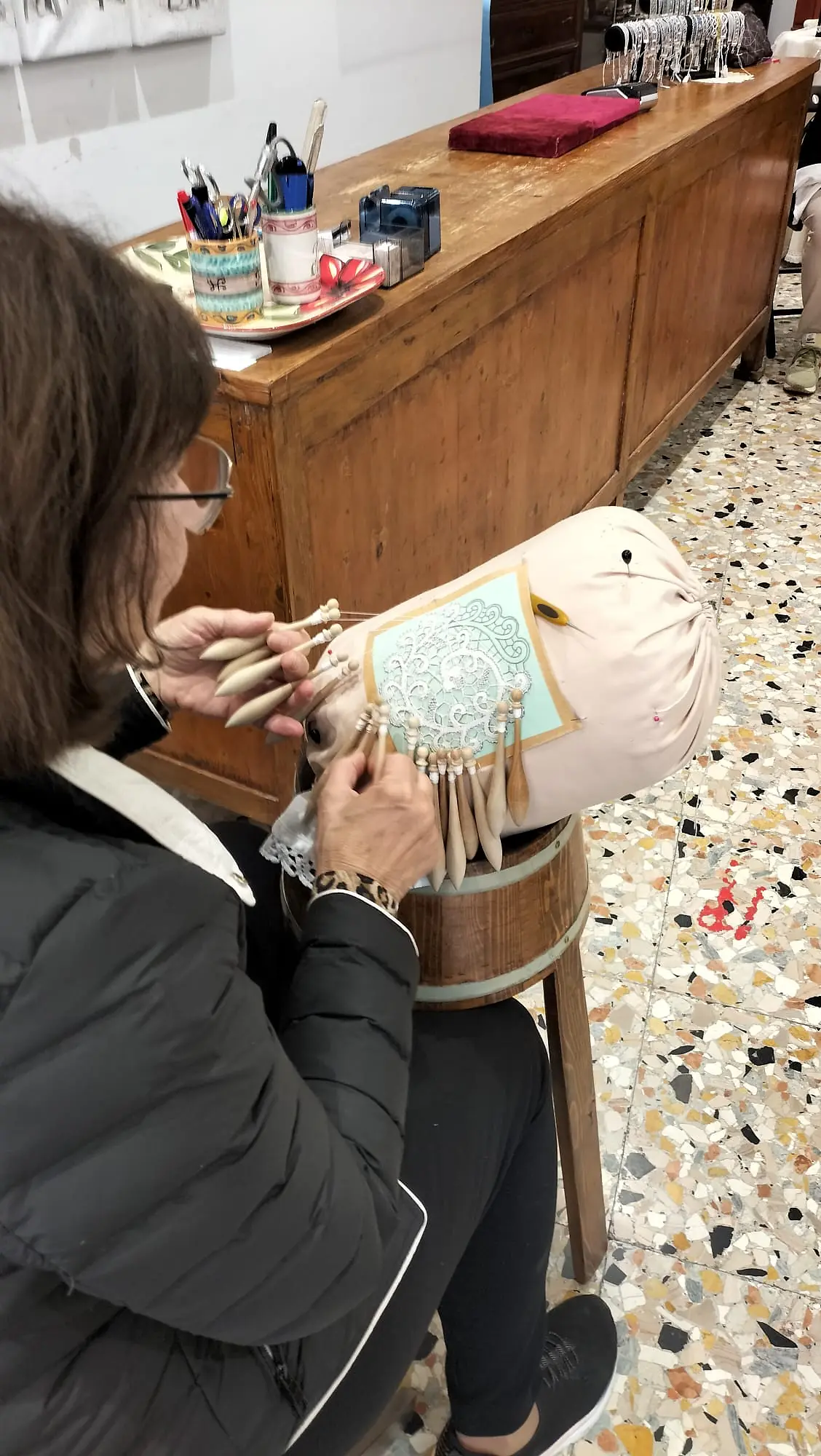
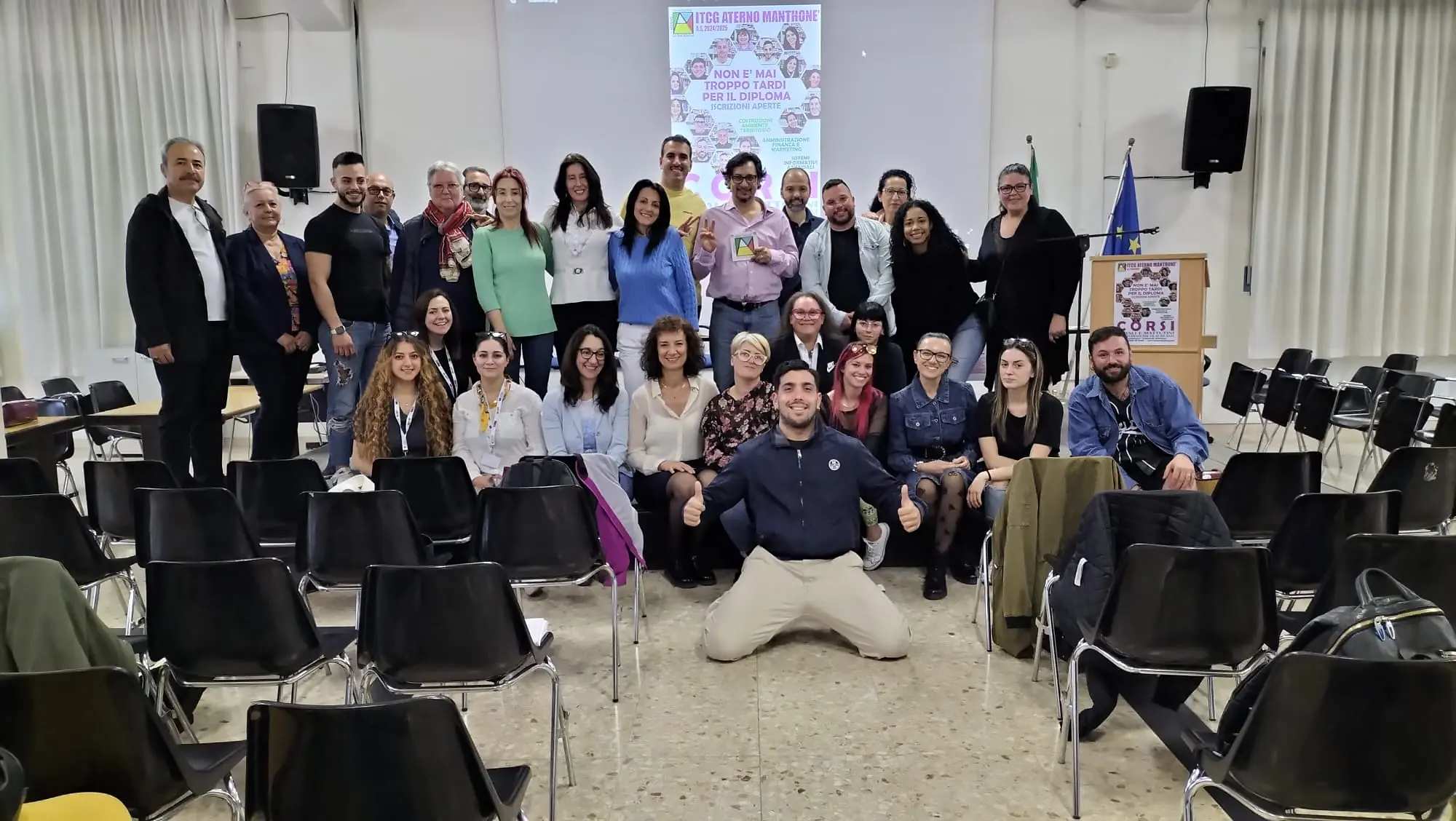
The images document international experiences, practical activities and second-chance pathways: not merely participants’ presence, but the settings in which learning takes shape.
Tell us who will take part, which skills you want to develop and what change you want to bring about.